Physiology
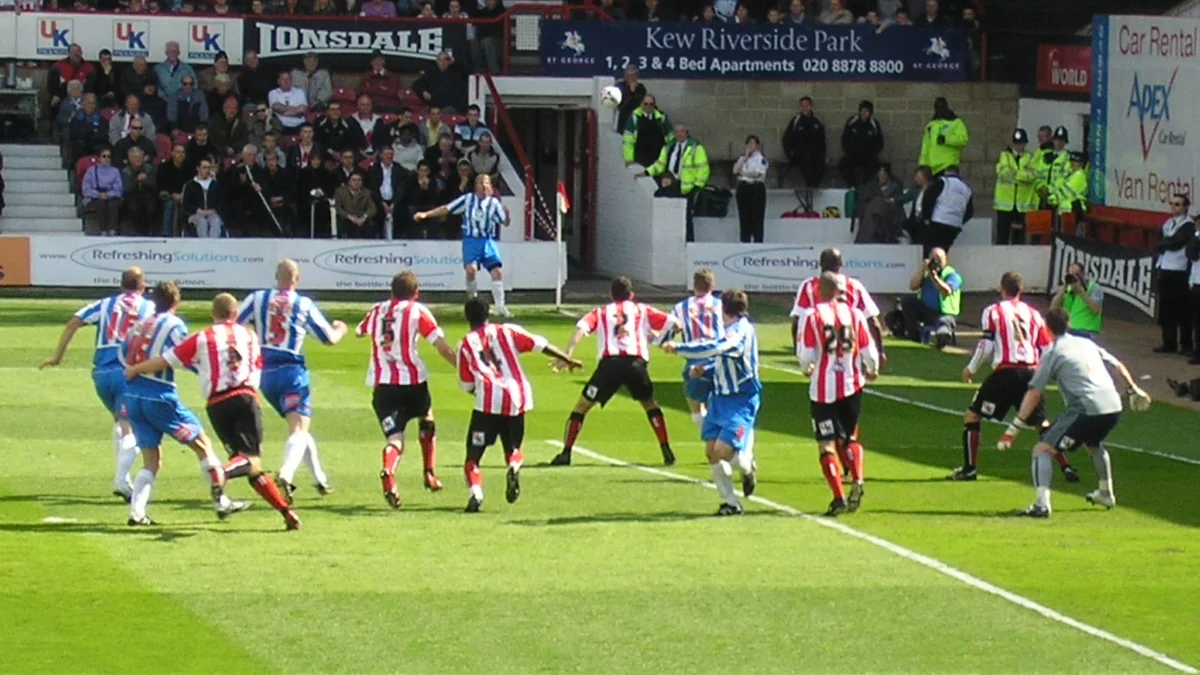
The Referee’s Body — Physiology of the Person in the Middle
Referee physiology fitness demands football: Introduction The referee runs 10–12 kilometres every match, makes 200+ decisions per game, and must maintain…
Read More →
What Is Body Composition and Why It Matters for Footballers
Introduction Not all weight is equal in football. A player carrying excess fat mass is slower, less agile, and more susceptible to…
Read More →
Aerobic vs Anaerobic — Which Energy System Does Football Use?
Introduction A common debate in football coaching circles: is the game aerobic or anaerobic? The answer is both — but not equally.…
Read More →
Why Footballers Sprint — The Physics of Explosive Speed
Introduction A forward breaks past a defender. A goalkeeper sprints off their line. A winger bursts to the byline in the 88th…
Read More →What Is Lactate Threshold and Why It Matters in Football
Introduction Every footballer has a hidden ceiling. Below it, they can run comfortably for extended periods. Above it, they accumulate fatigue rapidly…
Read More →
The Science of Football Fatigue — Why Players Slow Down After 70 Minutes
Introduction Watch any football match closely after the 70-minute mark. Passes become slower. Pressing intensity drops. Sprints that came easily in the…
Read More →How the Heart Works During a Football Match
Introduction The heart is football's most critical organ. It does not kick the ball, read the game, or track back to defend…
Read More →
What Happens to Your Body in 90 Minutes of Football?
Introduction Ninety minutes. That's all it takes for a professional footballer to cover the equivalent of a half-marathon, change pace over a…
Read More →What Is VO2max and Why Every Footballer Needs to Know It
Introduction If there is a single number that defines aerobic fitness, it is VO2max. Elite endurance athletes live and die by it.…
Read More →We use cookies to improve your experience and measure traffic. Google Analytics and any future advertising cookies only run after you accept. Privacy Policy