Science
Exercise physiology for elite athletes and their coaches: VO₂max, lactate threshold, energy metabolism and the science behind endurance performance.

Counter-Intuitive Truths of Endurance Science
Lactate is fuel, VO2max is the least trainable pillar and elites mostly run slowly: ten striking findings of modern endurance science.
Read More →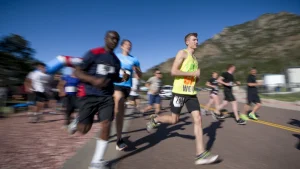
Endurance Myths: Misconceptions Debunked by Science
Is lactate a poison? Do antioxidants aid recovery? Seven common endurance myths tested against peer-reviewed research.
Read More →
Exercise and the Brain: the Physiology of Perceived Effort
Mental fatigue, perceived effort, caffeine, self-talk and deception studies: how the brain sets the limits of endurance performance.
Read More →
Strength Training for Endurance Athletes: What the Research Says
Why heavy strength training improves running economy without bulk, which exercises work and how to fit two sessions a week into the…
Read More →
From Kırkpınar to the Ultramarathon: a Turkish Endurance Tradition
Oil wrestling physiology, Ottoman couriers, Avicenna, the real Pheidippides and pilgrim journeys: endurance as culture and biology.
Read More →
Muscle Glycogen and Endurance Performance
Why muscle glycogen runs out in endurance events, and how intensity, training and race-day fuelling strategies extend it.
Read More →
Aerobic or Anaerobic? Energy Systems and Threshold Zones
All three energy systems work at once. We explain the crossover point, LT1 and LT2, and how they define your training zones.
Read More →
HRV: Tracking Recovery with Heart Rate Variability
Learn how morning rMSSD, a personal baseline and weekly trends help athletes use HRV to adjust training load and spot overreaching early.
Read More →
Balance: How Neural Signals Keep You Upright
Learn how proprioceptors, the inner ear and vision work together to keep you balanced while you run.
Read More →
Cortisol: How It Is Triggered, Released and Inhibited
Learn how the HPA axis releases cortisol, what it does to fat, muscle and blood sugar, and how chronic stress affects the…
Read More →We use a Google Analytics cookie to count visits. No ads; the cookie only runs if you accept. Privacy Policy