Sport
Training methodology, periodization and performance analysis: evidence-based guides for elite athletes and their coaches.

The Science of Recovery: What Actually Works
Athletic recovery science ranked by evidence: sleep dominates everything, protein timing, ice bath controversy, compression garments.
Read More →
Sleep and Athletic Performance: The Most Underrated Recovery Tool
Sleep and athletic performance science: Mah's Stanford studies, napping research, how sleep deprivation increases RPE.
Read More →
The Science of Tapering: Why Backing Off Makes You Faster
The science of tapering for endurance athletes: Mujika's research, exponential vs linear taper models, what happens in muscles during the taper.
Read More →
HRV Training: How Heart Rate Variability Guides Workouts
HRV heart rate variability training guide: Kiviniemi studies, HRV-guided vs fixed training plans, which apps are evidence-based.
Read More →
Overtraining Syndrome: When More Training Makes You Slower
Overtraining syndrome science: Meeusen 2013 consensus, parasympathetic vs sympathetic subtypes, biomarkers for detecting OTS.
Read More →
Periodization Explained: Build Your Best Season
Periodization training science for endurance athletes: Tudor Bompa's models, how Kenyan runners periodize.
Read More →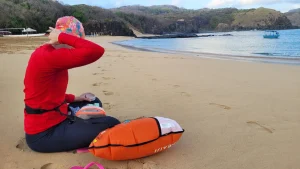
Open Water Swimming: Physics, Physiology, and What Pool Training Misses
Open water swimming physiology: sighting energy cost, thermal stress, wetsuit buoyancy effect, English Channel physiology.
Read More →
Cycling Power, FTP, and Pedaling Efficiency: The Science Behind Watts
Cycling FTP, power-to-weight ratio, lactate threshold in cyclists vs runners, and the science of pedalling efficiency in endurance cycling performance.
Read More →
Cold Water Swimming: Physiology, Benefits, and Risks
Cold water swimming physiology: mammalian dive reflex, cold shock response, acclimatization adaptations, cardiovascular risks and benefits explained.
Read More →
Hydration Science: How Much Water Do Athletes Need?
Hydration science for endurance athletes: exercise-associated hyponatremia, Noakes thirst research, electrolyte needs and evidence-based fluid strategies.
Read More →We use a Google Analytics cookie to count visits. No ads; the cookie only runs if you accept. Privacy Policy