Preview
Hüseyin Akbulut, MSc (2026). Enzymes and Exercise: How Cellular Processes Affect Performance. Sporeus. Retrieved, November 17, 2026. https://sporeus.com/en/science/enzymes-and-exercise-protease-supplements/
What is an enzyme, and what could it have to do with exercise?
Put simply, the job of the enzymes in the digestive system is to act as catalysts that speed up chemical reactions in the body, starting with breaking large molecules down into pieces small enough to be absorbed easily.
The duodenum, the first and shortest section of the small intestine, is where amino acids are released from proteins, fatty acids and cholesterol from fats, and simple sugars from carbohydrates. In other words, nutrients are broken down into molecules small enough to be carried in the bloodstream.
If you use a digestive enzyme supplement, it is usually recommended to take it with a meal, with the first few bites: enzymes only work when they are in the digestive tract at the same time as the food.
Dr Edward Howell, known for the “food enzyme” concept, wrote in his book Enzyme Nutrition that “by the age of 40 the average person has lost 70% of their enzyme reserves”, and he suggested a link between enzyme reserves and lifespan. This “enzyme reserve” idea has not been confirmed by controlled studies, however. The body produces digestive enzymes continuously, and although some decline with age is possible, there is no scientific evidence for a 70% loss or for a link with lifespan.
Examples of Enzyme Effects in Exercise
In a study by Buford and colleagues (2009), knee extension and flexion strength were measured with an isokinetic dynamometer. Participants were randomly assigned to two groups: one received 5.83 g a day of a cellulose placebo, the other the same amount of a proteolytic supplement (containing protease, bromelain and papain).
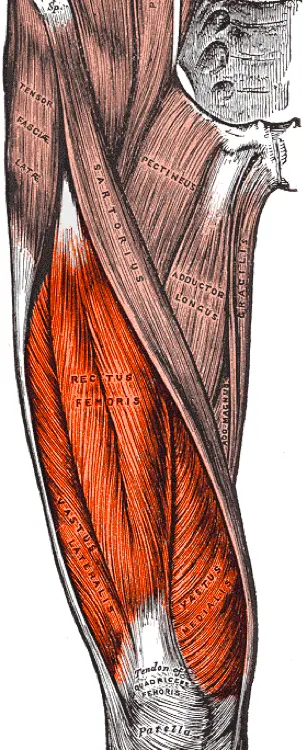
Supplementation lasted 21 days. After blood samples were taken, participants then completed a 45-minute downhill treadmill run at 60% of VO₂max on a 17.5% decline, an eccentric load that causes muscle damage.
Differences between the groups appeared in maximal efforts during the flexion movements.
The difference favoured the protease group, who were able to produce more force (see also Protease supplementation improves muscle function after eccentric exercise).
A study titled Effects of a protease supplement on eccentric exercise-induced markers of delayed-onset muscle soreness and muscle damage examined the effects of protease supplements on muscle damage and on the onset of muscle soreness. This study was also placebo-controlled, with 20 men assigned to enzyme or placebo conditions.
The researchers measured unilateral isometric forearm flexion strength, arm circumference, subjective soreness ratings, plasma creatine kinase activity and myoglobin concentration. The protease condition was compared with a microcrystalline cellulose placebo, and the tests were repeated two weeks apart, with groups and limbs switched.
After eccentric exercise, isometric forearm flexion strength in the protease condition was on average 7.6% higher than with the placebo, while soreness, arm circumference, creatine kinase and myoglobin did not differ between the groups. The authors suggest this could be useful during short recovery periods between training sessions and might in that way improve performance indirectly.
The research is still far from settled, and studying the effects of exercise can be much more complex than it seems. It is worth remembering how many factors affect the human body, from daily activities to its vital functions.
References
- Buford, T.W., Cooke, M.B., Redd, L.L., Hudson, G.M., Shelmadine, B.D., & Willoughby, D.S. (2009). Protease supplementation improves muscle function after eccentric exercise. Medicine & Science in Sports & Exercise, 41(10), 1908-1914. https://doi.org/10.1249/MSS.0b013e3181a518f0
- Beck, T.W., Housh, T.J., Johnson, G.O., Schmidt, R., Housh, D.J., Coburn, J.W., Malek, M.H., & Mielke, M. (2007). Effects of a Protease Supplement on Eccentric Exercise-Induced Markers of Delayed-Onset Muscle Soreness and Muscle Damage. Journal of Strength and Conditioning Research, 21(3), 661-667.
- Howell, E. (1985). Enzyme Nutrition: The Food Enzyme Concept. Avery Publishing Group.

Hüseyin Akbulut is the founder of Sporeus and author of THRESHOLD (EŞİK), a 540-page Turkish-language book on endurance science.
- 540pp THRESHOLD Book
- MSc Sport Sciences
- Marmara University