Sport
Training methodology, periodization and performance analysis: evidence-based guides for elite athletes and their coaches.
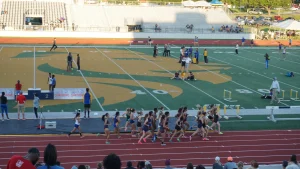
How Many Calories Does Running Burn? The Factors That Matter
Running burns roughly 50 to 90 calories per kilometre. How body weight, speed, gradient, surface and weather change the energy you spend.
Read More →
Cardiac Muscle Physiology: The Athlete’s Engine
Heart muscle is built to work without rest. Learn the Frank-Starling law, how the athlete's heart adapts and how it differs from…
Read More →
Enzymes and Exercise: How Cellular Processes Affect Performance
Digestive enzymes speed up digestion, but the enzyme reserve idea lacks evidence. Two placebo-controlled studies tested protease after hard eccentric work.
Read More →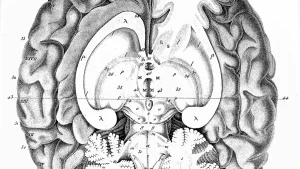
How Exercise Affects the Brain: Pain Perception and Responses
Trained athletes tolerate pain for longer, and attention shapes what we feel. Here is what the central governor model says about fatigue.
Read More →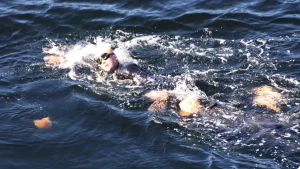
Aerobic Exercise: What It Is, What It Does and How to Train
What happens in the body during aerobic exercise, the health benefits, the weekly guidelines, and basic sessions for home and the gym.
Read More →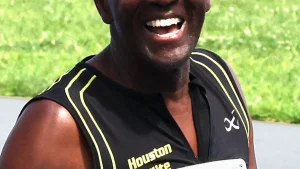
Addiction and Sport: From the Body’s Adaptive Processes to Dependence
Dopamine receptor adaptation, allostasis and why athletes carry more risk, with the documented harms of anabolic steroids and painkillers.
Read More →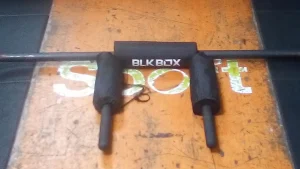
An Effective Pull Workout with Dumbbells, a Barbell and Bodyweight
Eight pull exercises for back, biceps and rear shoulder, with sets, reps and technique notes, plus the principles of push-pull training.
Read More →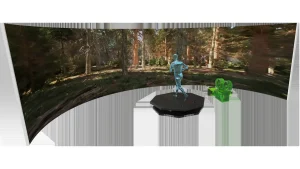
Measurement in Sport: Performance Data and Testing Methods
Field tests, blood lactate, anaerobic speed reserve, heart rate and perceived exertion compared as ways of setting training intensity.
Read More →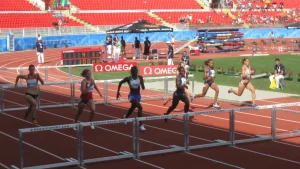
HIIT and Stress: Why Adaptation Needs a Load You Can Absorb
Hans Selye treated stress as something the body needs, and that view explains how HIIT intensity should be set for each individual…
Read More →
The Autonomic Nervous System and Hormonal Function in Exercise
How the sympathetic and parasympathetic branches hold homeostasis during exercise, and what each of the major hormones does under load.
Read More →We use a Google Analytics cookie to count visits. No ads; the cookie only runs if you accept. Privacy Policy