Preview
Hüseyin Akbulut, MSc (2026). Concussion in Football — The Science Behind the Most Misunderstood Injury. Sporeus. Retrieved, October 6, 2026. https://sporeus.com/en/injury/concussion-football-science-protocols/
Introduction
Concussion is football’s most contested injury. Invisible on scans, variable in symptoms, and historically minimised in a sport where playing through pain is culturally normalised, it has taken decades of neuroscience research — and the tragic histories of multiple retired professionals — to establish concussion as a serious, protocol-driven medical condition. The science is now clear: concussion must be treated as a brain injury, managed by qualified medical staff, and resolved completely before a player returns to any contact activity.
Table of Contents
The Science
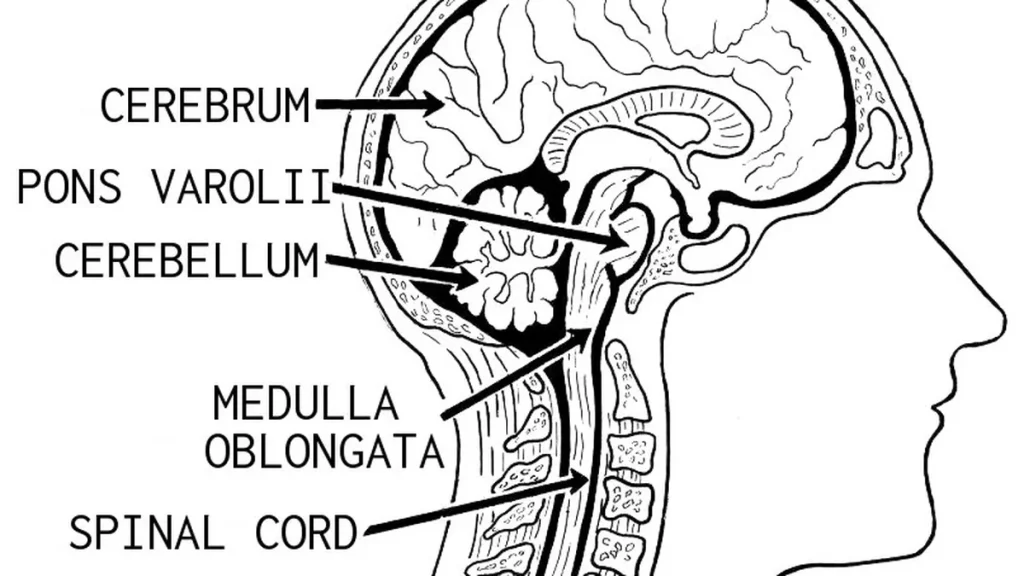
A concussion is a traumatic brain injury caused by direct or indirect forces (via whiplash mechanism) that cause the brain to move within the skull, stretching and shearing neuronal axons. Unlike skull fracture or brain bleed, concussion produces no visible structural damage on standard CT or MRI scans — its effects are functional and metabolic.
What happens at a cellular level: Injury triggers a cascade of ionic changes across neuronal membranes, demanding massively increased glucose metabolism to restore electrochemical balance — while simultaneously reducing cerebral blood flow. The brain is in a state of high metabolic demand and low fuel delivery simultaneously. This “neurometabolic crisis” is why cognitive symptoms (confusion, slowed processing, headache) are so prominent, and why a second impact during this vulnerable window — even a minor one — can cause disproportionate injury.
Common symptoms: Headache, pressure in the head, nausea, dizziness, visual disturbances, slowed cognitive processing, memory impairment, emotional lability, and sleep disruption. Not all concussions cause loss of consciousness — over 90% do not. A player who “sees stars,” becomes confused, or behaves oddly after a head impact should be assessed regardless of whether they lost consciousness.
Chronic Traumatic Encephalopathy (CTE): Repeated concussive and sub-concussive impacts over years cause accumulation of tau protein in brain tissue, associated with progressive neurodegeneration. CTE was confirmed in the brains of multiple former professional footballers post-mortem. The minimum threshold for CTE development remains unknown.
What Research Says
Patricios et al. (2023) published the most recent Concussion in Sport Group consensus statement, establishing the global clinical benchmark. Their key conclusions: the SCAT6 (Sport Concussion Assessment Tool) is the validated field-side assessment protocol; graduated return-to-play must follow a minimum six-step protocol requiring at least 24 hours symptom-free at each stage; return to contact activity before symptom resolution is prohibited.
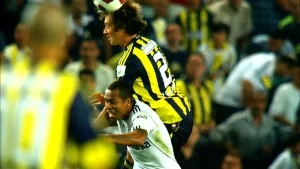
Montenigro et al. (2017) published a seminal review in Seminars in Neurology linking cumulative exposure to repetitive head impacts — even sub-concussive (impacts below the threshold to cause acute symptoms) — to long-term neurodegenerative risk. This finding has significant implications for heading in training, not only match-play concussions.
Matser et al. (1999) published early evidence specifically in football players in Journal of the American Medical Association, finding that professional Dutch footballers showed significantly worse performance on neuropsychological tests of memory and planning compared to non-contact sport athletes. Frequency of heading and number of concussions were the independent variables most strongly associated with impairment.
Did You Know? In 2020, the English Football Association limited heading in training across all youth football below the age of 12, following mounting evidence linking repetitive heading to cumulative neurological damage. Scotland, Northern Ireland, and Wales implemented the same restrictions. This was the largest structural change to football coaching practice driven by neuroscience in the sport’s history — and represents only the beginning of the policy response to the CTE evidence base.
Applied to Football
Concussion management in football requires clear, non-negotiable protocols:
- Remove and do not return on the day. Any player suspected of concussion must be removed from play immediately and must not return in the same session or match — regardless of symptoms resolving. This is the single most important rule in concussion management.
- Use SCAT6 for sideline assessment. The SCAT6 provides a standardised, validated assessment checklist for trained staff. It is not a diagnostic tool — a player who passes SCAT6 has not been “cleared” of concussion; they require further monitoring and specialist review.
- Follow graduated return-to-play protocol. Six stages from rest to full match play, with 24 hours minimum symptom-free at each stage. Any symptom recurrence returns the player to the previous stage. The minimum total timeline is 6 days with no complications.
- Limit heading in training. Evidence for sub-concussive impact accumulation is sufficient to justify reducing non-essential heading in training. Practice heading technique minimally and purposefully — not as a routine warm-up or fitness activity.
- Create reporting culture. Players who hide concussion symptoms to avoid being removed from play are the single greatest barrier to effective concussion management. Coaches must create environments where reporting is respected and protected, not penalised.
Key Takeaways
- Concussion is a metabolic brain injury; it does not require loss of consciousness and does not show on standard scans
- The neurometabolic crisis post-concussion creates extreme vulnerability to second-impact injury
- CTE has been confirmed in former professional footballers; repetitive sub-concussive impacts contribute
- Graduated return-to-play over minimum 6 days with symptom-free progression is the clinical standard
- Removing and not returning on the day of injury is the most critical, non-negotiable protocol
References
- Patricios, J. S., Schneider, K. J., Dvořák, J., Ahmed, O. H., Blauwet, C., Cantu, R. C., … & Meeuwisse, W. (2023). Consensus statement on concussion in sport: the 6th International Conference on Concussion in Sport—Amsterdam, October 2022. British Journal of Sports Medicine, 57(11), 695–711.
- Matser, E. J., Kessels, A. G., Lezak, M. D., Jordan, B. D., & Troost, J. (1999). Neuropsychological impairment in amateur soccer players. Journal of the American Medical Association, 282(10), 971–973.
- Montenigro, P. H., Alosco, M. L., Martin, B. M., Daneshvar, D. H., Mez, J., Chaisson, C. E., … & Stern, R. A. (2017). Cumulative head impact exposure predicts later-life depression, apathy, executive dysfunction, and cognitive impairment in former high school and college football players. Journal of Neurotrauma, 34(2), 328–340.
—
Next in Series: Article 32 — Returning From Injury — The Science of Safe Rehabilitation
Introduction
Concussion is football's most contested injury. Invisible on scans, variable in symptoms, and historically minimised in a sport where playing through pain is culturally normalised, it has taken decades of neuroscience research — and the tragic histories of multiple retired professionals — to establish concussion…
The Science
A concussion is a traumatic brain injury caused by direct or indirect forces (via whiplash mechanism) that cause the brain to move within the skull, stretching and shearing neuronal axons. Unlike skull fracture or brain bleed, concussion produces no visible structural damage on standard CT…
What Research Says
Patricios et al. (2023) published the most recent Concussion in Sport Group consensus statement, establishing the global clinical benchmark. Their key conclusions: the SCAT6 (Sport Concussion Assessment Tool) is the validated field-side assessment protocol; graduated return-to-play must follow a minimum six-step protocol requiring at least…
Applied to Football
Concussion management in football requires clear, non-negotiable protocols: