Preview
Hüseyin Akbulut, MSc (2026). HIIT Essentials, Part VII: Overreaching. Sporeus. Retrieved, November 19, 2026. https://sporeus.com/en/sport/hiit-essentials-overreaching/
When the training loads we can describe as exercise stress are repeatedly applied at intensities the athlete cannot cope with, physiologically and/or psychologically, the result can be overreaching.
Disturbed sleep, soreness lasting up to 48 hours after exercise, dehydration, nutritional imbalances, a feeling of fatigue and frequent changes in mood are among the unusual responses of the body that we can treat as markers of overreaching. How quickly the body recovers from these stresses and readapts to the training programme varies a great deal between individuals. According to the joint consensus statement of the European College of Sport Science and the American College of Sports Medicine, recovery from functional overreaching takes from a few days to a couple of weeks, from non-functional overreaching weeks to months, and from overtraining syndrome months.
The simplest way to tell that the body has recovered from overreaching is to see the athlete return to training of their own accord, and to monitor the sessions they complete during that period.
There are several ways to be more certain. Comparing and analysing the athlete’s previously recorded physiological values with those recorded now, once they have returned to training after the overreaching episode, is a reliable approach.
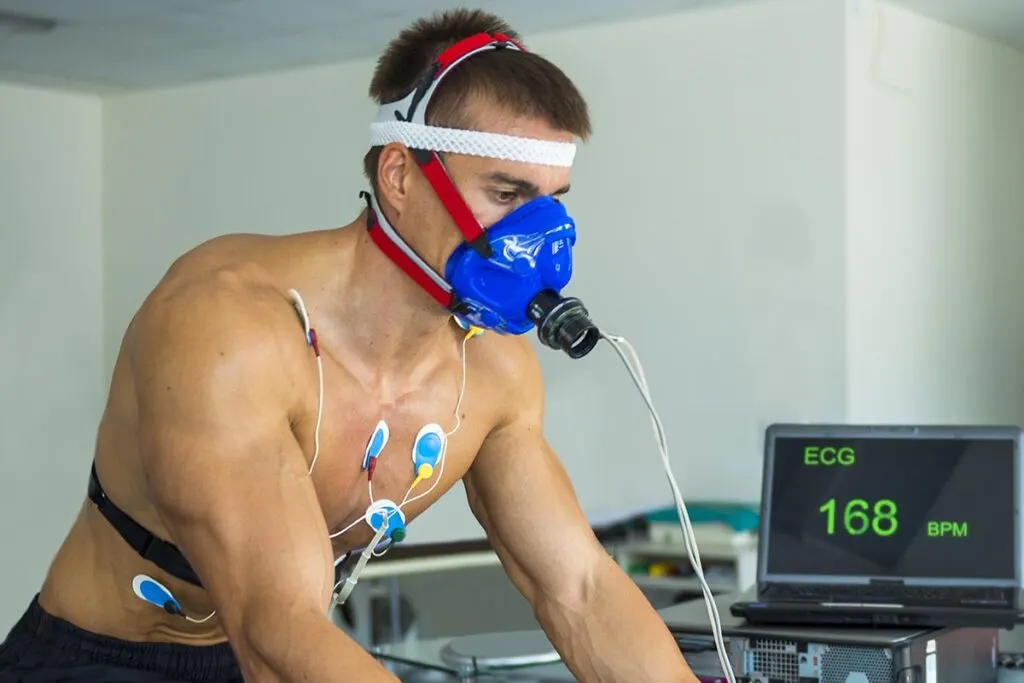
Which physiological measure is most suitable for this monitoring is an important question. There is no definitive answer, but tests that demand high-intensity performance, such as maximal oxygen uptake or maximal sprint speed, are not well suited to athletes coming out of a period of overreaching.
Besides the physiological assessments we use to evaluate overreaching, healthy, development-focused communication with the athlete, whether through the coach, physiotherapist or dietitian, can provide useful information about their condition. Support can also come from conveying that this is a normal process that any athlete training at high intensity may face.
When the markers followed during this period (disturbed sleep, loss of appetite, a feeling of fatigue and so on) are seen to disappear, that is a strong sign that the overreaching may have resolved. But the decision to return to full training should not be left to how the athlete feels alone: with the athlete’s view at the centre, the coach and medical team should make the decision together.
Although it is difficult, there are ways to recognise that an athlete is heading towards overreaching before it happens. Monitoring heart rate and similar measures during moderate-intensity exercise, rather than tests that require high-intensity performance, appears useful. If we follow an athlete who is continuing the training plan before, during and after three consecutive loading sessions, we can compare their physiological responses with those to similar sessions done earlier. Large differences in physiological values, or responses that differ from usual, can indicate that the athlete is on the road to overreaching and needs a recovery period.
Because there is no single, definitive test for overtraining stress, the athlete’s physical and mental state must be assessed together; individual differences can produce responses that are hard to predict.
At elite level: the consensus statement by Meeusen and colleagues stresses that the hallmark of overreaching is a decline in performance that persists despite rest, and that the diagnosis is one of exclusion: other causes such as infection, iron deficiency, low energy availability and thyroid problems must be ruled out first. Elite teams therefore interpret several regularly monitored markers together rather than relying on a single test: heart rate and perceived exertion during a standard submaximal session, morning heart rate and its variability, and sleep and mood questionnaires. Protocols that compare hormonal responses to two maximal exercise bouts separated by a few hours look promising in research, but have not entered routine practice.

Selen GÜNEY
Coach. After completing her undergraduate degree at the Faculty of Sport Sciences of Marmara University in 2018, she began the master’s programme in Information Technologies in Sport at Marmara University. Her thesis examined how athletes’ mental processes are affected by different gravity conditions, such as lunar gravity, and she has worked on several research projects investigating the physical performance and mental processes of groups of athletes.
References
- Meeusen, R., Duclos, M., Foster, C., et al. (2013). Prevention, diagnosis and treatment of the overtraining syndrome: joint consensus statement of the European College of Sport Science and the American College of Sports Medicine. European Journal of Sport Science, 13(1), 1–24. https://doi.org/10.1080/17461391.2012.730061
- Kreher, J.B., & Schwartz, J.B. (2012). Overtraining Syndrome: A Practical Guide. Sports Health, 4(2), 128–138. https://doi.org/10.1177/1941738111434406

Hüseyin Akbulut is the founder of Sporeus and author of THRESHOLD (EŞİK), a 540-page Turkish-language book on endurance science.
- 540pp THRESHOLD Book
- MSc Sport Sciences
- Marmara University