Science
Exercise physiology for elite athletes and their coaches: VO₂max, lactate threshold, energy metabolism and the science behind endurance performance.

What Is Biological Aging? Why and How We Age
From growth curves and growth plates to protein synthesis, DNA damage, glycation and mitochondria, this guide explains the main theories of biological…
Read More →
Footballer Physiology: The Energy Economy of 90 Minutes
Football harbours one of the most complex physiological demands in all of sport. A professional player covers 10–13 km over 90 minutes,…
Read More →
Motivation in Sport: Why Athletes Keep Going (or Stop)
What drives athletic motivation? Self-determination theory, intrinsic vs extrinsic motivation, and long-term training adherence science.
Read More →
Pre-Competition Anxiety: From Threat to Challenge
How do athletes manage pre-competition anxiety? Reappraisal strategies, somatic and cognitive anxiety, and the challenge-threat framework.
Read More →
Self-Talk and Athletic Performance: What the Research Shows
Does self-talk improve athletic performance? Instructional vs motivational self-talk, the evidence base, and practical implementation strategies.
Read More →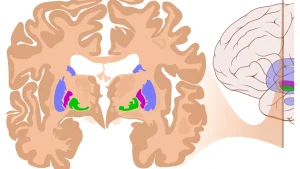
Flow State in Sport: The Neuroscience of Peak Performance
What is flow state and how do athletes enter it? Csikszentmihalyi's model, skill-challenge balance, and neuroscience of peak performance.
Read More →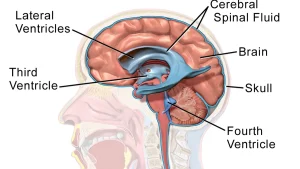
Mental Toughness: What It Actually Is (and Isn’t)
Is mental toughness real or just buzzword psychology? The research definition, 4C model, and evidence-based approaches to developing resilience.
Read More →
Ergogenic Aids: What’s Worth Taking and What Isn’t
Evidence-tiered review of ergogenic aids and sports supplements for performance enhancement.
Read More →
Electrolyte Replacement for Athletes: Beyond Sports Drinks
Electrolyte replacement strategies for athletes during prolonged exercise.
Read More →
Protein Timing and Muscle Synthesis: Does the Anabolic Window Exist?
Examining the evidence on protein timing and the anabolic window for muscle synthesis after training.
Read More →We use a Google Analytics cookie to count visits. No ads; the cookie only runs if you accept. Privacy Policy